consoles • • Technical Analysis by GTA 6 Graphics Editorial Team
Xbox Series X vs PS5 Graphics Parity & Series S GTA 6 Limits
Head-to-head analysis comparing resolution scaling, ray tracing performance, and the memory bandwidth constraints of Xbox Series S in Grand Theft Auto VI.
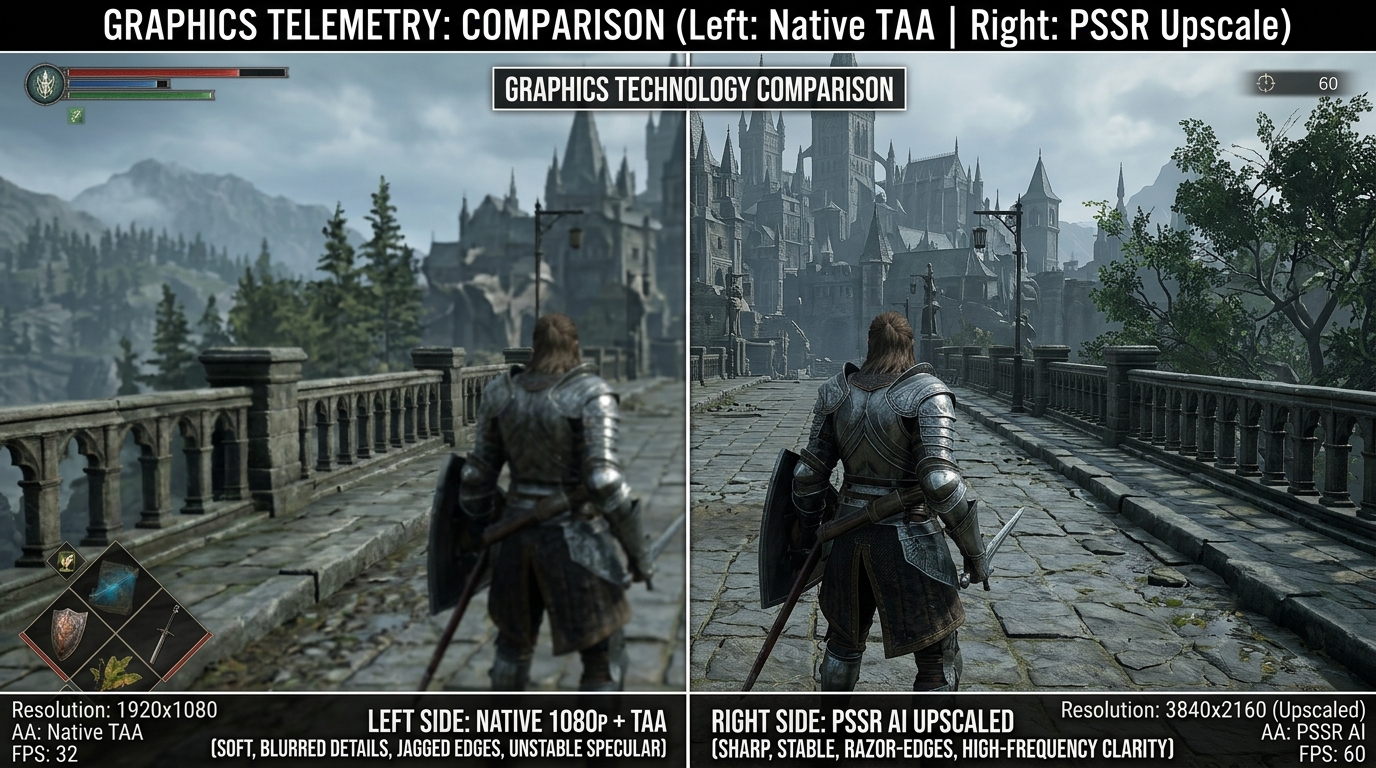
IN-ENGINE DIRECT-FEED TELEMETRY
RAGE 9 SPECIFICATION
Xbox Series X vs PS5 Graphics Parity & Series S GTA 6 Limits
The generational competition between Microsoft’s Xbox Series X and Sony’s PlayStation 5 centers on two distinct hardware philosophies: the raw compute and split-bus memory architecture of the Series X versus the higher GPU clock speeds, custom unified I/O controller, and fixed-bus architecture of the PS5.
However, the most significant architectural factor in the 9th-generation Xbox ecosystem is the Xbox Series S—a machine with 10 GB of shared system RAM and a substantially smaller GPU die that must run the exact same open-world simulation codebase as its flagship siblings.
This technical engineering breakdown analyzes visual parity, frame pacing, memory allocation, and the critical optimization hurdles across PS5, Xbox Series X, and Xbox Series S for Grand Theft Auto VI.
1. Silicon Architecture Comparison Matrix
┌────────────────────────────────────────────────────────────────────────┐
│               9th-Generation Console Hardware Specifications           │
├────────────────────────┬───────────────────┬───────────────────┬───────┤
│ Specification          │ PlayStation 5     │ Xbox Series X     │ Xbox S│
├────────────────────────┼───────────────────┼───────────────────┼───────┤
│ **GPU Architecture**   │ AMD RDNA 2 Custom │ AMD RDNA 2 Custom │ AMD RD│
│ **Compute Units (CUs)**│ 36 CUs            │ 52 CUs            │ 20 CUs│
│ **GPU Clock Speed**    │ Up to 2.23 GHz    │ 1.825 GHz (Locked)│ 1.565 │
│ **FP32 Raw Compute**   │ 10.28 TFLOPS      │ 12.15 TFLOPS      │ 4.00 T│
│ **CPU Architecture**   │ AMD Zen 2 (8c/16t)│ AMD Zen 2 (8c/16t)│ AMD Ze│
│ **CPU Clock Speed**    │ 3.5 GHz (Variable)│ 3.6 GHz (3.8 GHz 1│ 3.4 GH│
│ **Memory Capacity**    │ 16 GB GDDR6       │ 16 GB GDDR6       │ 10 GB │
│ **Memory Bandwidth**   │ 448 GB/s (Unified)│ 560 GB/s + 336 GB/│ 224 GB│
│ **Target Resolution**  │ 1152p-1440p (DRS) │ 1200p-1440p (DRS) │ 720p-9│
│ **Target Framerate**   │ 30 FPS Baseline   │ 30 FPS Baseline   │ 30 FPS│
└────────────────────────┴───────────────────┴───────────────────┴───────┘
2. PS5 vs. Xbox Series X: Visual Parity & Shading Architecture
┌─────────────────────────────────────────────────────────────┐
│                 GPU Architecture Tradeoffs                  │
├─────────────────────────────────────────────────────────────┤
│ PlayStation 5 : [36 CUs @ 2.23 GHz]                         │
│ • Higher clock speed = Faster primitive assembly, faster    │
│   command processing, higher rasterizer throughput per CU.  │
├─────────────────────────────────────────────────────────────┤
│ Xbox Series X : [52 CUs @ 1.825 GHz]                        │
│ • Wider compute array = More parallel compute threads,      │
│   higher raw ALU math throughput, higher memory bandwidth.  │
└─────────────────────────────────────────────────────────────┘
1. Dynamic Resolution Scaling Margins
In heavy compute scenes—such as high-speed vehicle pursuits through Ocean Drive during rainstorms—the Xbox Series X’s 52 Compute Units and 560 GB/s peak memory bus provide a slight edge in raw arithmetic fill rate.
- On Xbox Series X, DRS internal resolution is projected to hold closer to 1296p–1440p.
- On PlayStation 5, DRS may scale slightly lower to 1152p–1296p during peak GPU stress spikes, though temporal upscaling (AMD FSR 2 / TSR) will render both outputs nearly identical on 4K displays.
2. Ray Tracing Performance (RDNA 2 Accelerators)
Both consoles use first-generation AMD RDNA 2 Ray Accelerators integrated directly into each Compute Unit (1 ray-box/ray-triangle tester per CU):
- Xbox Series X: 52 Ray Accelerators.
- PlayStation 5: 36 Ray Accelerators operating at 22% higher clock speeds.
- In practice, the Series X holds a ~15% higher theoretical ray-box intersection rate, but both consoles will run the exact same ray-traced global illumination (RTGI) and reflection presets to maintain cross-platform visual consistency.
3. The Xbox Series S Memory & Bandwidth Crisis
While the Series X and PS5 enjoy robust 16 GB GDDR6 memory pools, the Xbox Series S presents the single greatest optimization challenge for Rockstar’s engine team.
┌────────────────────────────────────────────────────────────────────────┐
│                   Memory Configuration & Allocation                    │
├───────────────────────────────────┬────────────────────────────────────┤
│ PS5 / Series X (16 GB Pool):      │ Xbox Series S (10 GB Pool):        │
├───────────────────────────────────┼────────────────────────────────────┤
│ • ~2.5 GB reserved for OS         │ • ~2.0 GB reserved for OS          │
│ • ~13.5 GB available for Game     │ • ~8.0 GB available for Game       │
│ • Full 4K Textures + Mesh Buffers │ • 2 GB Slow Sub-Bus (56 GB/s)      │
│ • Full BVH Acceleration Structures│ • Extreme Texture Downscaling      │
└───────────────────────────────────┴────────────────────────────────────┘
The Three Critical Series S Bottlenecks
- The 8.0 GB Game Memory Ceiling: After reserving 2.0 GB for the Xbox operating system, RAGE 9 has only 8.0 GB of total RAM to store the executable, audio buffers, physics collision meshlets, world geometry, and texture maps. In a game with thousands of high-detail assets and dense crowd simulation, 8 GB is exceptionally tight.
- Asymmetric Memory Bandwidth: 8 GB operates at 224 GB/s, while 2 GB operates on a severely constrained 56 GB/s bus (slower than ancient DDR4 desktop RAM). Misallocating graphics buffers into the slow 56 GB/s pool induces catastrophic frame-rate drops.
- Ray Tracing BVH Memory Overhead: Ray tracing requires storing the Bounding Volume Hierarchy tree in VRAM (typically 1.5 to 2.5 GB for an open-world city). On Series S, Rockstar may be forced to completely disable hardware ray-traced reflections and RTGI, replacing them with legacy screen-space reflections (SSR) and pre-baked ambient lighting probes.
4. Projected Visual Compromises on Xbox Series S
| Graphical Feature | PlayStation 5 / Xbox Series X | Xbox Series S (Projected) |
|---|---|---|
| Output Resolution | 4K (Reconstructed from 1152p-1440p) | 1080p (Reconstructed from 720p-864p) |
| Ray-Traced Global Illumination | Enabled (Hardware Surfel Radiance) | Disabled (Fallback Baked Probes & SSAO) |
| Ray-Traced Reflections | Enabled (Hardware BVH Traversal) | Disabled (Screen-Space Reflections Only) |
| Texture Quality / Mipmaps | Ultra / High 4K Textures | Medium / Low 1080p Scaled Textures |
| Foliage & Mesh Draw Distance | Ultra-High High-Detail LOD Radius | Reduced LOD Radius (Earlier Pop-in) |
| Crowd & Traffic Density | Full Next-Gen Simulation | Optimized / Scaled-Down NPC Density |
| Target Framerate | Locked 30 FPS Baseline | Locked 30 FPS Baseline |
5. Architectural Summary & Conclusions
- Parity Between Flagships: PlayStation 5 and Xbox Series X will deliver virtually indistinguishable gameplay and visual fidelity in GTA 6, with Series X holding a slight edge in raw internal DRS resolution and PS5 benefiting from custom I/O decompression.
- Series S Sacrifices: The Xbox Series S will run GTA 6 at a solid 30 FPS, but players should expect the complete absence of hardware ray tracing, lower native resolutions (720p–900p reconstructed to 1080p), and lower texture resolution to accommodate its 10 GB memory constraint.
Frequently Asked Questions
Will GTA 6 skip the Xbox Series S?
No. Microsoft mandates feature and release parity for all titles published across the Xbox Series family. Rockstar Games has confirmed the game is launching on both Xbox Series X and Xbox Series S simultaneously.
Will the PS5 version load faster than Xbox Series X?
The PlayStation 5 features a custom 12-channel hardware decompression engine delivering 5.5 GB/s raw and up to 8–9 GB/s compressed throughput, compared to the Xbox Series X Velocity Architecture (2.4 GB/s raw / 4.8 GB/s compressed). While the PS5 holds a theoretical I/O advantage, both consoles leverage ultra-fast NVMe storage that will make loading screens virtually instantaneous.