rage-engine • • Technical Analysis by GTA 6 Graphics Editorial Team
RAGE 9 Engine Architecture: Mesh Shaders & PBR in GTA 6
Technical dossier on Rockstar Advanced Game Engine 9: DirectX 12 Ultimate pipeline, meshlet geometry, procedural interiors, and comparison with UE5.
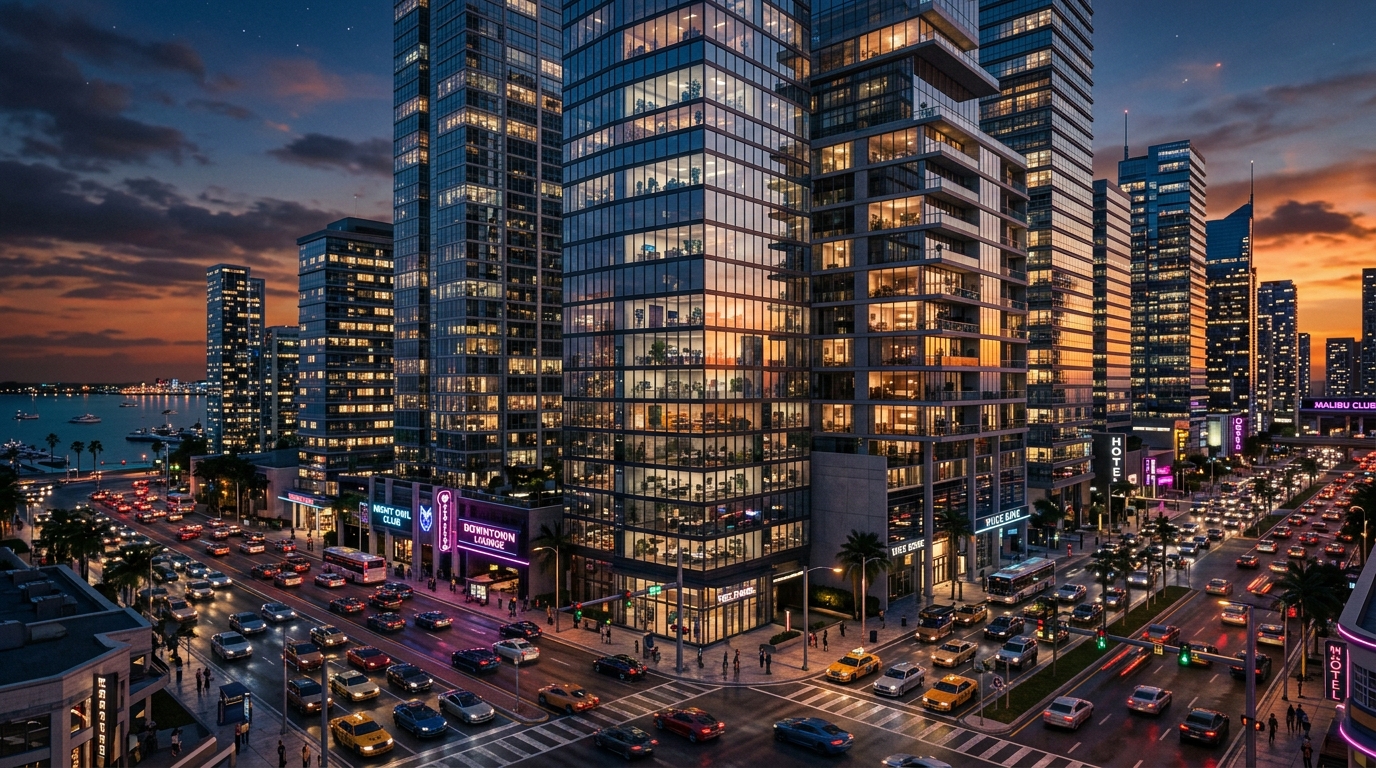
IN-ENGINE DIRECT-FEED TELEMETRY
RAGE 9 SPECIFICATION
RAGE 9 Engine Architecture: Mesh Shaders & PBR in GTA 6
The Rockstar Advanced Game Engine (RAGE) is one of the most sophisticated proprietary game engines in the history of interactive entertainment. Developed by the Rockstar San Diego Technology Group in collaboration with Rockstar North and specialized worldwide engineering divisions, RAGE has powered every Rockstar title since 2006.
With Grand Theft Auto VI, the engine reaches its 9th major iteration (RAGE 9). Designed exclusively for 9th-generation console architectures (PlayStation 5, Xbox Series X/S) and modern DirectX 12 Ultimate / Vulkan PC platforms, RAGE 9 abandons legacy 8th-generation rasterization paradigms in favor of a modern compute-driven rendering and simulation architecture.
This comprehensive architectural dossier deconstructs the foundational engineering subsystems powering RAGE 9.
1. RAGE 9 Core Pipeline Architecture
┌────────────────────────────────────────────────────────────────────────┐
│                      RAGE 9 Engine Core Architecture                   │
├────────────────────────────────────────────────────────────────────────┤
│  [SIMULATION & AI THREADS (AMD Zen 2 / Modern Multithreaded CPUs)]     │
│  • Take-Two Navigation Patent (US10807008B2) Road Network Graphs       │
│  • Procedural Euphoria Skeletal Biomechanics & Kinematics             │
│  • Acoustic Spatial Convolution & Ray-Traced Sound Occlusion           │
│  • Dynamic BVH Acceleration Tree Updates (TLAS Hierarchy)              │
├────────────────────────────────────────────────────────────────────────┤
│  [GEOMETRY & STREAMING SUBSYSTEM (DirectStorage / PCIe 4.0)]           │
│  • DirectX 12 Ultimate Task & Mesh Shader Pipeline (Meshlets)          │
│  • Hardware Sampler Feedback Streaming Tile Allocation                 │
│  • Procedural Interior Shading & Window Parallax Synthesis             │
├────────────────────────────────────────────────────────────────────────┤
│  [LIGHTING & OPTICAL RENDERING (Hybrid Hardware Ray Tracing)]          │
│  • Real-Time RTGI Accelerated by Surfel Radiance Caching               │
│  • Full Scene BVH Specular Reflections across Dual-Layer Clear-Coats   │
│  • 3D Froxel Navier-Stokes Volumetric Fog & Atmospheric Scattering     │
│  • Neural Image Reconstruction: Sony PSSR / NVIDIA DLSS 3.7 / FSR 3.1  │
└────────────────────────────────────────────────────────────────────────┘
2. Geometry Overhaul: Task & Mesh Shaders vs. Legacy Vertex Buffers
The fundamental bottleneck of open-world geometry rendering in previous engine iterations was the legacy graphics pipeline (Input Assembler -> Vertex Shader -> Hull/Domain Shader -> Geometry Shader).
┌─────────────────────────────────────────────────────────────┐
│                 Legacy vs. Mesh Shader Pipeline             │
├─────────────────────────────────────────────────────────────┤
│ Legacy Pipeline: Fixed-function vertex fetching, high draw- │
│ call driver overhead, CPU must cull individual models.      │
├─────────────────────────────────────────────────────────────┤
│ RAGE 9 Meshlets: Geometry divided into 64-vertex clusters.  │
│ Task Shader culls thousands of non-visible clusters on the  │
│ GPU in parallel before passing to Mesh Shaders!             │
└─────────────────────────────────────────────────────────────┘
The Meshlet Advantage in Vice City
- Cluster-Level Frustum & Cone Culling: Each building, vehicle, or tree is split into 64-vertex / 126-triangle meshlets. The Task Shader tests the orientation normal cone of each meshlet; if a cluster faces away from the camera, it is instantly discarded without touching rasterizers.
- Micro-Geometric Realism: Rather than faking architectural depth with flat normal maps, storefronts feature real 3D air conditioner vents, individual window moldings, roof gravel, and sidewalk curbs.
- Seamless Continuous LOD: RAGE 9 dynamically scales meshlet subdivision density based on screen-space pixel coverage, eliminating the distracting geometric pop-in that characterized earlier open worlds.
3. Procedural Interior Mapping & Seamless Architecture
A recurring technical limitation in massive urban sandboxes has been the “hollow building” effect, where skyscraper windows appear as flat, black glass or repetitive low-resolution textures.
┌────────────────────────────────────────────────────────────┐
│              RAGE 9 Procedural Interior Pipeline           │
│                                                            │
│  [Window Glass Polygon Hit by View Ray]                    │
│               │                                            │
│               ▼                                            │
│  [Parallax Interior Mapping Shader (3D Room Coordinates)]  │
│               │                                            │
│               ▼                                            │
│  [Procedural Asset Synthesis: Furniture, Ceilings, Lamps]  │
│               │                                            │
│               ▼                                            │
│  [Dynamic Time-of-Day Room Lighting & RTGI Bounce Outward] │
└────────────────────────────────────────────────────────────┘
In GTA 6, RAGE 9 introduces a multi-tier interior architecture:
- Fully Walkable Hero Interiors: Malls, police stations, nightclubs, gas stations, and residential safehouses feature seamless, loading-screen-free transitions enabled by DirectStorage memory streaming.
- Procedural Parallax Interiors: High-rise residential apartments and office windows render realistic 3D furnished rooms with correct parallax perspective shifts as the player drives past, complete with ceiling fans, furniture silhouettes, and interior light sources that cast real-time light onto the street below.
4. Physically Based Rendering (PBR 2.0) & Materials
┌────────────────────────────────────────────────────────────────────────┐
│                        RAGE 9 PBR 2.0 Material Stack                   │
├────────────────────────┬───────────────────────────────────────────────┤
│ Base Diffuse / Albedo  │ 10-bit HDR Micro-Detail Surface Coloration    │
├────────────────────────┼───────────────────────────────────────────────┤
│ Microfacet Roughness   │ Dual-Lobe GGX Distribution (Specular Spread) │
├────────────────────────┼───────────────────────────────────────────────┤
│ Metallic / Dielectric  │ Physical Refractive Index (Fresnel F0 Matrix) │
├────────────────────────┼───────────────────────────────────────────────┤
│ Clear-Coat Layer       │ Polyurethane High-Gloss Automotive Reflectance│
├────────────────────────┼───────────────────────────────────────────────┤
│ Subsurface Scattering  │ Multi-Layer Epidermal / Subdermal Translucency│
├────────────────────────┼───────────────────────────────────────────────┤
│ Dynamic Hydration Map  │ Real-Time Moisture, Puddles & Evaporation Data│
└────────────────────────┴───────────────────────────────────────────────┘
RAGE 9’s material pipeline adheres to rigorous thermodynamic energy-conservation principles. Vehicle paints realistically separate metallic flake base coats from protective clear coats, clothing fabrics model anisotropic micro-weave specular sheen, and human skin captures micro-capillary light scattering across ears and facial features.
5. RAGE 9 vs. Unreal Engine 5: Architectural Comparison
| Engine Metric | Rockstar RAGE 9 | Epic Games Unreal Engine 5.4 |
|---|---|---|
| Geometry System | Custom Mesh Shader Task Pipeline | Nanite Virtualized Micro-Polygons |
| Global Illumination | Hardware RTGI + Surfel Caching | Lumen (Software SDF + Hardware RT) |
| Asset Streaming | Custom Open-World DirectStorage Engine | Virtual Shadow Maps / Texture Streaming |
| Crowd & Traffic AI | Take-Two Patent Navigation Graph (Multithreaded) | Mass Entity / StateTree Framework |
| High-Speed Traversal | Tailored for 200+ MPH Supercars & Jets | Prone to Traversal Hitches in Large Worlds |
| Target Architecture | In-House Proprietary (Custom Tailored) | General-Purpose Commercial Licensing |
Summary & Key Takeaways
- DirectX 12 Ultimate Core: Task and mesh shaders replace legacy vertex buffers, enabling unprecedented geometric density without draw call bottlenecks.
- DirectStorage Memory I/O: Leverages PCIe 4.0 SSD speeds to stream high-density assets seamlessly during 200 MPH traversal.
- Procedural Interiors: Replaces static skyscraper glass with dynamic, depth-accurate 3D interior mapping.
- Custom-Tailored Optimization: Unlike general-purpose engines, RAGE 9 is custom-engineered specifically for vehicular open-world simulations and multi-threaded CPU crowd navigation.
Frequently Asked Questions
Why doesn’t Rockstar license Unreal Engine 5?
Commercial engines like Unreal Engine 5 are designed to accommodate thousands of different game genres, resulting in general-purpose compromises. By developing RAGE in-house, Rockstar can optimize every single line of code specifically for high-speed vehicle physics, proprietary crowd AI patents, and unified console memory streaming.
Which programming languages are used in RAGE 9?
The core RAGE 9 runtime engine is written in performance-critical C++ with low-level HLSL compute and pixel shaders, assembly-level SIMD intrinsics, and custom multithreaded job scheduler primitives.