pc-graphics • • Technical Analysis by GTA 6 Graphics Editorial Team
DLSS 3.7 vs FSR 3.1 & Frame Generation in GTA 6 PC
Comparative breakdown of reconstruction artifacts, temporal ghosting in fast vehicular motion, and input latency penalties in open-world PC engines.
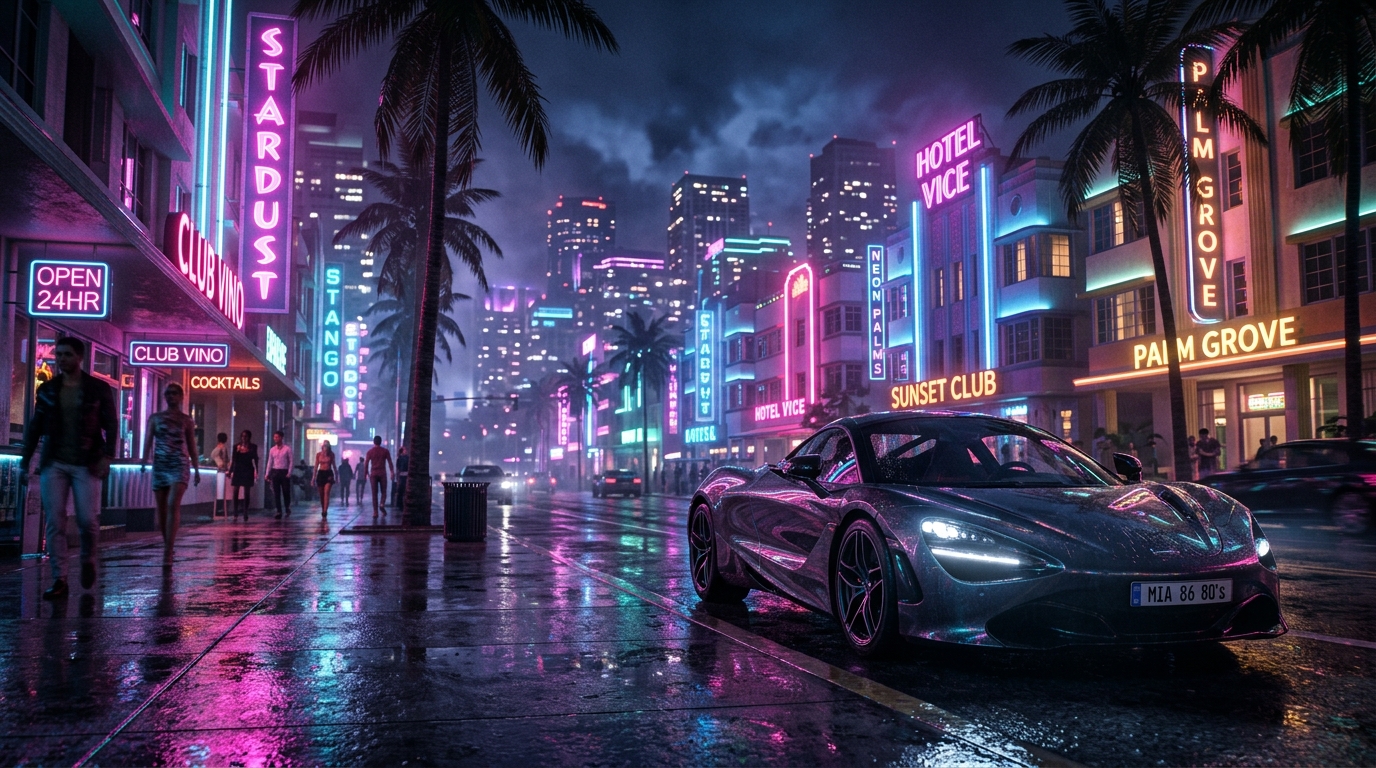
IN-ENGINE DIRECT-FEED TELEMETRY
RAGE 9 SPECIFICATION
DLSS 3.7 vs FSR 3.1 & Frame Generation in GTA 6 PC
In modern PC gaming, temporal image reconstruction and optical frame generation are no longer optional visual gimmicks—they are core architectural components of the rendering pipeline. In Grand Theft Auto VI, where hardware ray tracing, dense crowd simulation, and volumetric atmospheric grids stress both the CPU and GPU, choosing the correct upscaler directly governs image clarity, motion fluidity, and input latency.
[!NOTE] Speculative Architectural Projection (Tier 3) While Rockstar Games has targeted PlayStation 5 and Xbox Series X/S for Fall 2026, modern DirectX 12 PC ports universally deploy temporal upscaling SDKs. This technical comparison evaluates the architectural implementations of NVIDIA DLSS 3.7, AMD FSR 3.1 (GPUOpen), and Intel XeSS 1.3 to project their performance benefits and visual trade-offs in GTA 6 PC. Test your GPU’s projected baseline with our Can I Run GTA 6? Hardware Tool.
This technical engineering comparison evaluates the three major PC upscaling suites: NVIDIA DLSS 3.7, AMD FSR 3.1, and Intel XeSS 1.3, analyzing their reconstruction quality, fast-motion disocclusion handling, and frame synthesis latency.
1. Architectural Comparison Matrix
┌────────────────────────────────────────────────────────────────────────────────────────┐
│                        Upscaling & Frame Synthesis Stack                               │
├────────────────────┬─────────────────────┬─────────────────────┬───────────────────────┤
│ Metric             │ NVIDIA DLSS 3.7     │ AMD FSR 3.1         │ Intel XeSS 1.3        │
├────────────────────┼─────────────────────┼─────────────────────┼───────────────────────┤
│ **Model Type**     │ Deep Neural Autoenc.│ Hand-Tuned Heuristic│ Neural Network (XMX) /│
│ **Hardware Engine**│ Tensor Cores (Ada)  │ Async Compute Shaders│ XMX Silicon / DP4a    │
│ **Reconstruction** │ Super Resolution    │ FSR 2.x Temporal    │ XeSS Spatial-Temporal │
│ **Frame Synthesis**│ Optical Multi-Frame │ Fluid Motion Frames │ Intel ExtraSS (Future)│
│ **Latency Reducer**│ NVIDIA Reflex SDK   │ AMD Anti-Lag 2 SDK  │ Driver-Level Queueing │
│ **Ray Reconstruction| DLSS 3.5 CNN Denoiser│ Standard Denoiser   │ Standard Denoiser     │
│ **Hardware Lock**  │ RTX GPUs Only       │ Vendor-Agnostic     │ Vendor-Agnostic (DP4a)│
└────────────────────┴─────────────────────┴─────────────────────┴───────────────────────┘
2. Temporal Reconstruction Quality in High-Speed Vehicular Motion
┌─────────────────────────────────────────────────────────────┐
│                 Disocclusion & Ghosting Test                │
│                                                             │
│  [Supercar travelling at 200 MPH down Ocean Drive]          │
│               │                                             │
│               ▼                                             │
│  [Background Pixels rapidly exposed behind rear bumper]     │
│               │                                             │
│               ├─► DLSS 3.7 : Instant AI boundary detection, │
│               │              zero visible trailing halos.   │
│               │                                             │
│               ├─► FSR 3.1  : Improved over FSR 2, minor     │
│               │              fizziness on dark asphalt.     │
│               │                                             │
│               └─► XeSS 1.3 : Excellent stability (XMX Mode) │
│                              slight ghosting on DP4a mode.  │
└─────────────────────────────────────────────────────────────┘
1. High-Speed Disocclusion Haloing
When driving at high speeds through Vice City traffic, background asphalt and buildings are exposed behind vehicle edges at extreme pixel velocities:
- NVIDIA DLSS 3.7: Utilizing convolutional neural networks trained on high-velocity game datasets, DLSS accurately classifies disoccluded pixels in a single frame, resulting in virtually zero ghosting behind supercars or neon signs.
- AMD FSR 3.1: FSR 3.1 introduces decoupled upscaling from frame generation and enhanced temporal accumulation clamping, significantly reducing the “fizzing” and ghosting that plagued FSR 2.2.
- Intel XeSS 1.3 (XMX Mode): When running on native Intel Arc hardware with XMX matrix acceleration, XeSS rivals DLSS in edge sharpness and specular stability.
2. Thin Geometry Stability: Palm Trees & Power Lines
- At 1440p and 4K, DLSS 3.7 reconstructs continuous, flicker-free power lines and palm fronds against bright Florida skies.
- FSR 3.1 retains good wire structure, though minor sub-pixel shimmering can still be observed during high-velocity camera pans.
3. Optical Frame Generation: Performance vs. Input Latency
┌────────────────────────────────────────────────────────────────────────┐
│                        Frame Generation Latency Model                  │
├───────────────────────────────────┬────────────────────────────────────┤
│ Native 60 FPS Baseline:           │ DLSS 3 Frame Generation:           │
│ • Frame Time: 16.6ms              │ • Internal Render: 60 FPS          │
│ • Input Latency: ~30 - 35ms       │ • Synthesized Display: 120 FPS     │
│ • Real-time responsive input      │ • Input Latency: ~35 - 40ms (Reflex│
│                                   │ • Perception: Fluid 120Hz motion!  │
└───────────────────────────────────┴────────────────────────────────────┘
Frame generation technologies (DLSS 3 Optical Multi-Frame Generation and AMD FSR 3.1 Fluid Motion Frames) synthesize an entirely new intermediate frame between traditionally rendered frames:
The Critical Input Latency Rule
- Frame generation does not reduce input latency—it increases display refresh fluidity.
- If your baseline framerate is below 45 FPS, enabling frame generation will make the game feel sluggish and unresponsive due to the latency buffer required to interpolate frames.
- Golden Rule for GTA 6 PC: Ensure your baseline framerate without frame generation is at least 55–60 FPS before toggling DLSS 3 or FSR 3 Frame Generation on. With NVIDIA Reflex or AMD Anti-Lag 2 active, total system latency remains under 40ms while visual motion jumps to 110–120 FPS.
4. Ray Reconstruction (DLSS 3.5): The Next-Gen Denoiser
┌────────────────────────────────────────────────────────────┐
│              Standard Denoiser vs. DLSS 3.5 AI             │
├────────────────────────────────────────────────────────────┤
│ Hand-Tuned Denoiser : Blurs ray-traced reflections across  │
│                       multiple frames, losing neon clarity.│
├────────────────────────────────────────────────────────────┤
│ DLSS 3.5 Ray Recon  : Neural AI model replaces denoisers,  │
│                       reconstructing razor-sharp neon text │
│                       and crisp puddle reflections in RT!  │
└────────────────────────────────────────────────────────────┘
On PC, RAGE 9 supports DLSS 3.5 Ray Reconstruction:
- Instead of running traditional spatiotemporal blur filters to remove Monte Carlo ray tracing noise, DLSS 3.5 utilizes an AI network trained to recognize lighting patterns from supercomputer path-traced renders.
- In Vice City’s rainstorms, Ray Reconstruction preserves sharp neon text reflected in moving puddles and vehicle bodywork that traditional denoisers blur into indistinct colored smudges.
Summary & Upscaler Recommendation Matrix
| User Hardware Setup | Recommended Upscaler | Recommended Preset | Frame Generation |
|---|---|---|---|
| NVIDIA GeForce RTX 40 / 50 Series | DLSS 3.7 + Ray Recon | Quality Mode | Enabled (If Base >60 FPS) |
| NVIDIA GeForce RTX 20 / 30 Series | DLSS 3.7 | Quality Mode | Not Supported (Hardware Lock) |
| AMD Radeon RX 7000 / 8000 Series | AMD FSR 3.1 | Quality Mode | Enabled (FSR 3.1 FMF) |
| AMD Radeon RX 6000 Series | AMD FSR 3.1 | Quality Mode | Optional (Monitor Latency) |
| Intel Arc Series (A770 / Battlemage) | Intel XeSS 1.3 (XMX) | Ultra Quality Mode | Driver-Level |
Frequently Asked Questions
Does DLSS look blurry in GTA 6?
No. At 1440p and 4K in Quality Mode, DLSS 3.7 provides superior sub-pixel resolution and temporal edge stability compared to native rendering with standard TAA.
Can I use AMD FSR 3 Frame Generation with an NVIDIA RTX 30-series GPU?
Yes! AMD FSR 3.1 decouples upscaling from frame generation. You can run NVIDIA DLSS for temporal upscaling while leveraging AMD FSR 3.1 Frame Generation to interpolate frames on an RTX 3070 or RTX 3080.